
By [EthanShao], Special Correspondent for Outdoor Observer Magazine
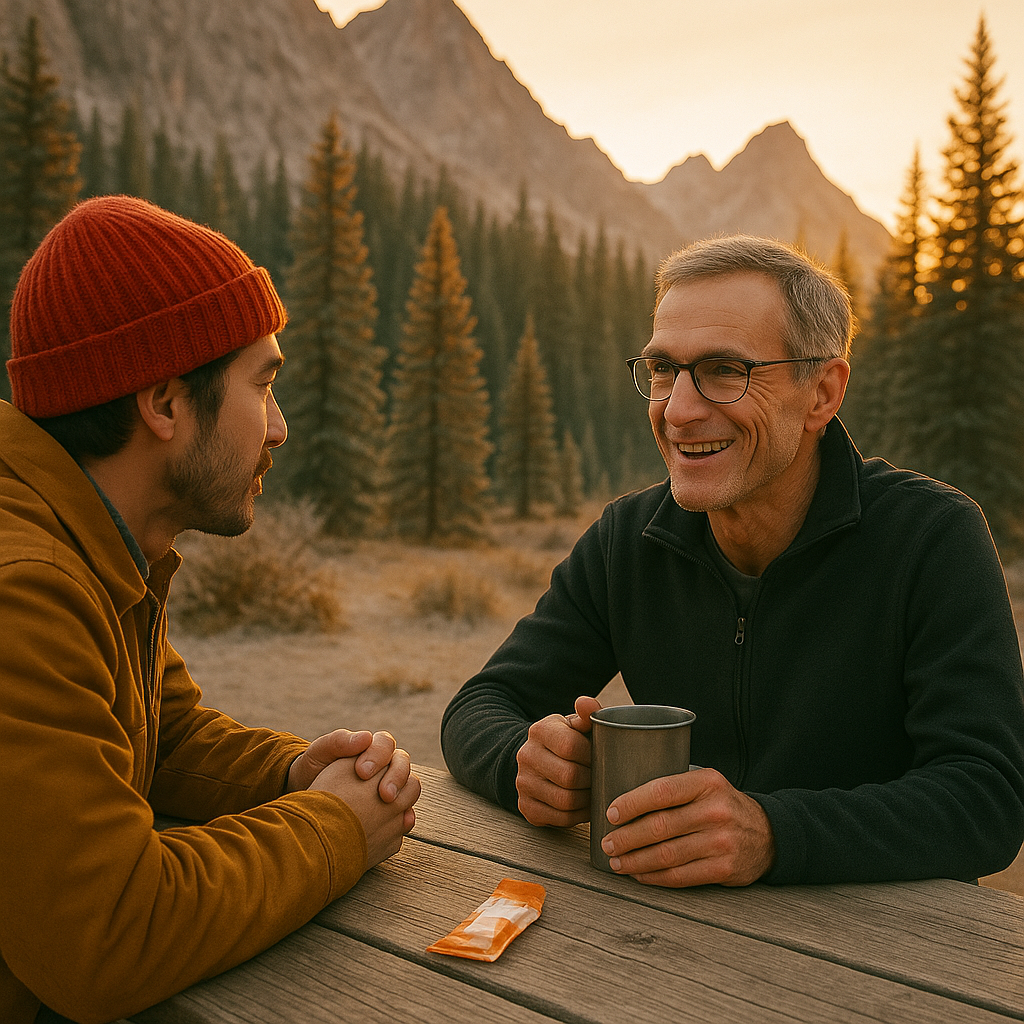
Setting: The sun peeks over the jagged peaks of the Rocky Mountains, casting a golden glow across the frost-kissed pines. I’m perched at a weathered picnic table at a Colorado trailhead, the kind carved by decades of hikers’ boots and dreams. Across from me sits Dr. Alex Thompson, a sports nutritionist with the wiry frame of a former ultramarathoner. His eyes sparkle with the thrill of the wild as he sips coffee from a dented tin mug. The air is sharp, alive with the scent of pine and possibility, as we dive into the world of outdoor sports nutrition.
Interviewer: Dr. Thompson, this spot is incredible—thanks for joining me here. You’ve got a unique perspective as both a scientist and an athlete. Why does nutrition matter so much for outdoor sports?
Dr. Thompson: leans forward, grinning Picture this: you’re a steam engine chugging up a mountain, but someone forgot to shovel in the coal. That’s what it’s like without proper nutrition. Outdoor sports demand stamina, strength, and focus—nutrition is the fuel that keeps the fire roaring. It’s not just about calories; it’s about timing and quality. Energy gels, electrolytes, trace elements—they’re the secret sauce that keeps you moving when the trail gets brutal.
Interviewer: Let’s zoom in on energy gels. They’re a staple for so many adventurers. What makes them so special?
Dr. Thompson: Gels are like a turbo boost in a tiny packet. They’re packed with fast-acting carbs—glucose and fructose—that hit your bloodstream like lightning, jolting your muscles back to life. Imagine you’re slogging through mile 20 of a marathon, legs screaming, sweat stinging your eyes. You rip open a gel, and it’s like squeezing a burst of sunshine into your veins. The good ones mix sugars for maximum absorption, and some toss in caffeine—like a double espresso shot for your soul.
Interviewer: Sunshine in a packet sounds appealing, but what about the taste? I’ve heard mixed reviews.
Dr. Thompson: chuckles Oh, it’s a wild ride. Some gels are smooth, like a spoonful of warm honey sliding down your throat. Others? Think fruit-flavored toothpaste gone wrong. I’ll never forget this one gel—labeled “chocolate”—during a race. It was more like chugging melted asphalt with a hint of regret. But when you’re bonking, taste takes a backseat to survival. You learn to love the weirdness.
Interviewer: Survival fuel—got it. Now, electrolytes. They’re buzzwords in the sports world, but what’s their real job?
Dr. Thompson: Electrolytes are the maestros of your body’s symphony. Sodium, potassium, magnesium—they keep your nerves firing, your muscles flexing, and your hydration on point. Picture a scorching day on the trail: sweat’s pouring off you like a waterfall, and with it goes your electrolyte stash. Without replenishing, your calves might seize up like rusty gears, or your head feels like it’s stuffed with cotton. They’re the glue that holds the whole operation together.
Interviewer: How should athletes get them? Drinks, tablets, or something else?
Dr. Thompson: You’ve got options galore. Sports drinks are like a quick sip of magic—salty-sweet and easy to gulp. Tablets? They’re like little flavor bombs you drop in your water, turning it into a custom potion. Some gels sneak electrolytes in too. But don’t sleep on real food—a salty pretzel or a ripe banana can be a game-changer. It’s like raiding nature’s pantry mid-adventure.
Interviewer: Love that pantry idea. Now, trace elements sound a bit more elusive. What’s their deal?
Dr. Thompson: Trace elements are the quiet MVPs—iron, zinc, magnesium, tiny but mighty. Iron’s your oxygen courier; without it, you’re gasping like a fish out of water, even on flat ground. Magnesium’s a wizard at keeping cramps at bay—think of it as a soothing balm for twitchy muscles. Zinc? It’s your recovery buddy, patching you up after a brutal climb. They’re like the hidden gears in a Swiss watch—small, but the whole thing stops without them.
Interviewer: Do most outdoor folks even think about these trace elements?
Dr. Thompson: Not enough. Pros geek out over every detail, but your average hiker? They’re laser-focused on water and snacks, missing the bigger picture. It’s like building a cabin with no foundation—one gust, and it’s toast. I tell people: load up on spinach, nuts, dark chocolate. It’s not sexy, but it’s the real deal.
Interviewer: How clued-in are enthusiasts about all this nutrition stuff in general?
Dr. Thompson: It’s a spectrum. Some are walking encyclopedias—gear nerds who’ve tested every gel flavor under the sun. Others just grab a random pouch at the checkout, no questions asked. And then there’s the trial-by-fire crew—learning the hard way when they crash mid-trail. I once saw a guy collapse on a ridge, clutching an empty water bottle, totally clueless about electrolytes. It’s a wake-up call when it happens.
Interviewer: Crashing sounds rough. What’s that like?
Dr. Thompson: We call it bonking, and it’s a beast. Imagine your energy tank hits empty—legs wobble like wet noodles, your brain’s swimming in molasses, and that epic view? It’s mocking you. Good nutrition’s your shield against that misery. Done right, it’s not just survival—it’s thriving out there.
Interviewer: Long-term, though—are there downsides to leaning on these products?
Dr. Thompson: Used smartly, they’re golden. Gels are fine for race day, but chugging them daily? Hello, sugar overload and a spare tire. Electrolytes are safe unless you overdo sodium—then your blood pressure might grumble. Trace elements? Too much iron’s a gut punch, and excess zinc can throw your immune system for a loop. It’s a tightrope—balance is everything. Lean on whole foods as your backbone, and these are just the spice.
Interviewer: Final words of wisdom for our readers?
Dr. Thompson: Test your fuel in practice, not when the stakes are high. Every body’s different—one person’s miracle gel is another’s stomach grenade. Tune in to what clicks for you, and don’t shy away from digging deeper. Nutrition’s an adventure—explore it like you do the trails.
As Dr. Thompson slings his pack over his shoulder, the sun climbs higher, painting the peaks in fiery hues. I stash a gel in my pocket, inspired to fuel my next climb with more than just grit. The trail beckons, and now, I’m ready.
According to the American College of Sports Medicine, nutrition is vital for sustaining athletic performance in extreme conditions