
Once hailed as the epitome of mountaineering gear, Arc’teryx has undergone a dramatic transformation. What began as a passionate pursuit of perfection and a deep reverence for the wild has, over time, been consumed by a global corporate machine. This is not just the story of a brand; it’s a cautionary tale of how ambition and acquisition can erode the very soul of a company.
The Genesis: A Rebellion Born in the Mountains
In the late 1980s, a small group of climbers in North Vancouver, Canada, was fed up with shoddy equipment. They weren’t just building a business; they were on a mission. The brand, initially named Rock Solid, was a rebellion against mediocrity. Their first revolutionary product was a climbing harness that was lighter and more durable than anything on the market. They renamed themselves Arc’teryx, a nod to the Archaeopteryx, a symbol of evolution from the ancient to the new.
Their ethos was simple and pure: to create gear that could withstand the most extreme environments while leaving the smallest possible footprint. They pioneered technologies like thermo-laminating, eliminating bulky seams and creating a sleek, almost sculptural aesthetic. This wasn’t just about making money; it was about honoring the mountains and the people who risked their lives in them. This was the original Arc’teryx vision.
The Evolution: A Global Titan in the Making
As the brand grew, it caught the eye of larger corporations. The first major turning point came with the acquisition by Salomon in the early 2000s, followed by the Amer Sports takeover. These moves injected capital and expanded distribution, pushing the brand from a niche market into the global spotlight.
The final and most significant shift occurred in 2019, when a Chinese consortium led by Anta Sports acquired Amer Sports. Suddenly, Arc’teryx’s market strategy pivoted. Its core audience of hardcore climbers and backcountry skiers was no longer the sole focus. The brand was being positioned as a luxury lifestyle symbol, a status signifier for the urban elite. collaborations with fashion houses like Jil Sander and streetwear brands like Palace solidified its new identity. The iconic Arc’teryx logo began to appear not on jagged peaks, but on city streets, at fashion shows, and in celebrity wardrobes.
The Arrogance: When a Brand Sets Fire to Its Own Soul
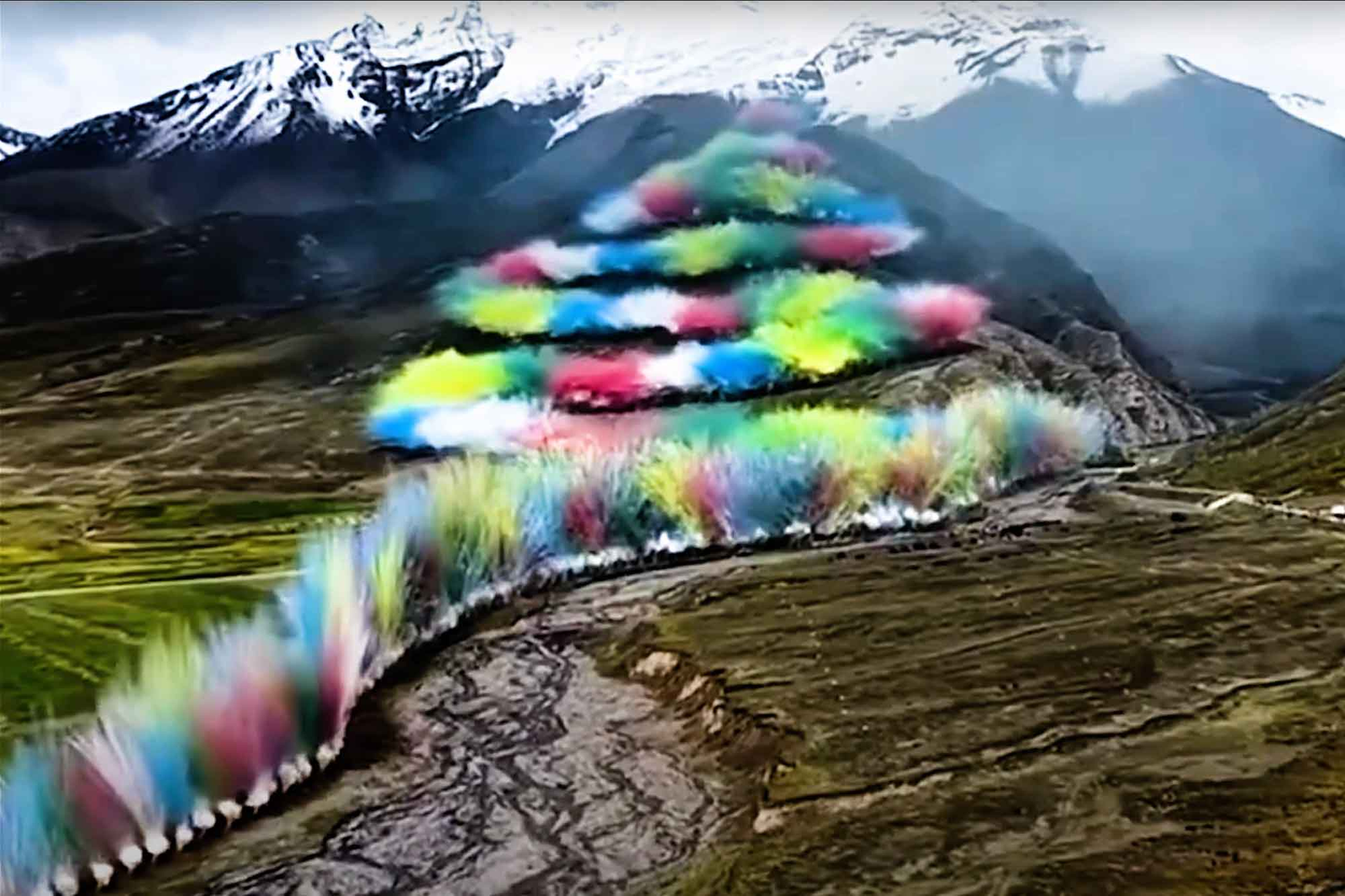
The brand’s transformation from outdoor gear to fashion icon culminated in an act of breathtaking arrogance: a fireworks display in the Himalayas. This wasn’t just a marketing misstep; it was an unforgivable betrayal of its founding principles. A brand built on the respect for pristine wilderness chose to pollute one of the world’s most fragile ecosystems for a fleeting moment of spectacle.
The Arc’teryx apology that followed felt hollow. It was a corporate-speak response that failed to acknowledge the profound hypocrisy of its actions. The incident revealed a deep disconnect between the company’s new corporate masters and the core values of its original founders. It showed that the pursuit of market growth had overshadowed any commitment to environmental protection or respect for the outdoor community.
For those who truly love the outdoors, this wasn’t just a news story; it was a personal offense. It showed that the new Arc’teryx had traded its soul for a seat at the table of luxury and fleeting fame.
Conclusion: The End of an Era?
The story of Arc’teryx is a stark reminder that when brands become commodities, they risk losing their integrity. The company’s spectacular rise has been matched by a spectacular fall from grace in the eyes of many. The Arc’teryx logo may still be a status symbol, but for many, it now carries the stain of corporate arrogance and environmental hypocrisy.
The future of Arc’teryx hinges on whether it can reclaim the spirit of its rebel founders. But for now, the fireworks have faded, and the true cost of their ambition has been laid bare.